

Leading Multi-Site Discipleship Without Losing Local Authenticity
You've got three campuses. Same church, same mission, same core values. But when someone visits a different location, they barely recognise it as the same community. Or worse, every campus feels identical, like you've franchised faith and lost the local connection that made each site work in the first place.
Most multi-site leaders feel stuck between two bad options: create cookie-cutter campuses that ignore local context, or let each location drift so far apart you're running separate churches under one name.
Neither works. This article gives you a practical framework for balancing centralised vision with local expression. You can maintain unity without forcing uniformity. Here's how.
The Multi-Site Tension: Why Your Campuses Feel Like Different Churches
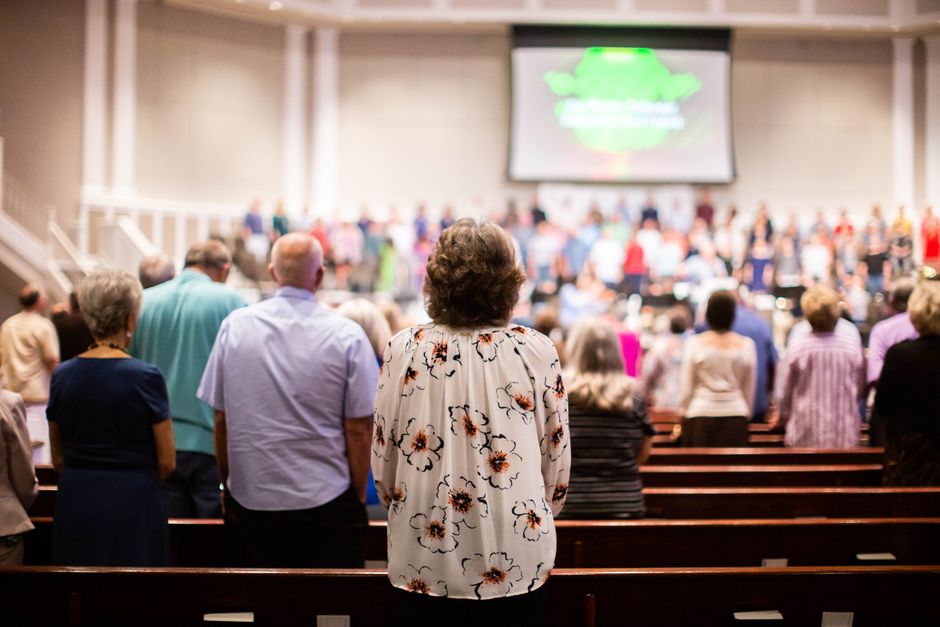
Picture this: a regular attender at your western suburbs campus visits your inner-city location one Sunday. The music's different. The vibe's different. The sermon references issues they've never encountered. They leave wondering if they're actually part of the same church.
Or the opposite happens. Your campus pastor in a young professional area runs the exact same small group curriculum designed for families with school-age kids. Attendance drops. People show up but don't connect. The content doesn't match their lives.
The pain points are specific. Campus leaders feel like they're implementing someone else's vision rather than serving their community. Members attend but don't engage because nothing reflects their actual neighbourhood. And you're left wondering how to create unity without making every location feel like a branded outlet.
The problem isn't multi-site itself. It's figuring out how to create unity without uniformity.
When unity feels like uniformity (and why that kills local connection)
Over-centralisation makes campuses feel scripted. Your campus pastor runs the same sermon series across all locations, but it addresses issues that matter in one community and miss entirely in another. The inner-city campus talks about housing affordability while the regional campus needs content on agricultural challenges and rural isolation.
Same small group curriculum everywhere sounds efficient until you realise it doesn't fit. Young renters in Bondi don't need the same discipleship rhythms as established homeowners in Penrith. Different work patterns, different life stages, different community challenges.
People disengage when their campus doesn't reflect their actual lives. They'll attend, but they won't connect. They'll listen, but they won't apply it. The content feels imported rather than relevant.
This isn't about being difficult. It's about recognising that discipleship happens in context, not in a vacuum.
The real cost of 'franchise church' syndrome
Franchise church syndrome looks like this: every campus has the same signage, same service format, same volunteer roles, same everything. It feels like a branded outlet rather than a local faith community.
The costs are measurable. Volunteer engagement drops because people are filling roles rather than meeting needs they actually see. Attendance happens, but connection doesn't. Campus leaders feel like branch managers executing decisions made elsewhere, not pastors shaping discipleship for their community.
This undermines the actual goal of multi-site: reaching more people with authentic discipleship. When campuses feel franchised, you're not multiplying impact. You're diluting it.
Here's the thing: it's easy to slip into this pattern. Centralisation feels efficient. Consistency feels safe. But efficiency without effectiveness is just busy work, and consistency without context is just control.
What Makes Discipleship 'Local' (And Why It Actually Matters)

Local heart means discipleship that addresses the actual lives, challenges, and opportunities of people in that specific community. Not generic programmes that could run anywhere. Not imported content that misses local context.
Generic discipleship misses the mark when communities have different needs, rhythms, and cultures. A sermon series on workplace ethics lands differently for shift workers than for corporate professionals. Small group discussions about parenting hit differently in areas with young families versus retiree-heavy suburbs.
Local doesn't mean disconnected from broader church vision. It means the vision gets expressed through context, not despite it.
The three things people need from their campus that video can't deliver
First: personal relationships with leaders who know their names and their neighbourhood. Not just a campus pastor who shows up on Sundays, but leaders who understand local schools, local employers, local challenges. Someone who knows that the factory closure affects half the congregation, or that the new development is bringing demographic shifts.
Second: discipleship that addresses their specific life context. Young professionals need different support than families. Renters face different challenges than homeowners. Transient communities need different connection points than established ones.
Third: opportunities to serve and lead in ways that matter to their local area. Not just filling roster spots, but addressing actual community needs. Food relief in areas facing hardship. Homework clubs in areas with educational disadvantage. Business networking in professional hubs.
Why your Bondi campus needs different discipleship rhythms than your Penrith campus
Bondi's full of young professionals, renters, transient population. Work patterns are corporate, life stage is early career, community is constantly shifting. Penrith's got more families, homeowners, established community. Different work patterns, different life stages, different stability.
Discipleship rhythms should match local life. Bondi might need weeknight groups because weekends are social time. Penrith might need weekend groups because weeknights are family time. Bondi might work with smaller, shorter-term groups because people move frequently. Penrith might sustain longer-term groups because community's more stable.
Different doesn't mean disconnected. Both can pursue the same discipleship outcomes through contextualised approaches. Both can develop mature believers who serve their community and share their faith. The path just looks different.
Specific examples: meeting times flex to work patterns. Group sizes adjust to housing realities (apartments versus houses). Service opportunities match local needs (beach clean-ups versus school support). Same mission, different expression.
The Framework: What to Centralise, What to Contextualise
Some elements must stay consistent to maintain unity. Others must flex to maintain local connection. This isn't about control versus freedom. It's about clarity on what serves the mission best at each level.
The following sections give you specific guidance on making these decisions. Not theory. Practical direction you can apply this month.
The non-negotiables: what must stay consistent across every campus
Core theological positions don't vary. Your statement of faith, your doctrinal stance, your understanding of Scripture stays consistent. Same with core values: how you define discipleship, what you believe about community, your mission focus.
Safeguarding standards are non-negotiable. Child protection, vulnerable person policies, complaint procedures. Financial accountability stays centralised: budgeting processes, reporting requirements, audit standards.
Consistency here creates the foundation that makes you one church, not a loose network. Example: every campus uses the same safeguarding training and reporting system. Every campus follows the same financial approval processes for expenditure over set thresholds.
Keep this list tight. Focus on what truly matters for unity, not what's convenient for central control.
The flex zones: where campus leaders need freedom to adapt
Campus leaders should have decision-making authority over service times, small group formats, local outreach initiatives, volunteer structures. They know their community. They see the opportunities. They understand the rhythms.
Research on multi-campus networks shows that community-rooted leadership requires engagement with local events and employer partnerships. That can't happen from central office. It needs leaders on the ground with genuine authority to respond.
Giving freedom here isn't losing control. It's empowering leaders to do discipleship effectively. Example: one campus runs three services because of space constraints and local demand. Another runs one because the community's smaller and values gathering together. Both work.
Another example: one campus focuses outreach on international students because they're surrounded by universities. Another focuses on trades apprentices because that's the local demographic. Same heart for evangelism, different expression.
How to audit your current setup (the 15-minute test)
Ask these questions about your current structure:
- Who decides service formats and times? If it's always central, you're probably too rigid.
- Can campus leaders adapt curriculum to local context? If they're just delivering content, you've got a problem.
- How much budget autonomy exists at campus level? If every decision needs central approval, you're creating branch managers.
- Do campus pastors shape vision or just implement it? If they're not in the room when direction gets set, they can't lead locally.
- Can campuses initiate local outreach without permission? If everything needs sign-off, you're killing responsiveness.
- Are there examples of campuses doing things differently and that being celebrated? If not, you've created uniformity by default.
- Do campus leaders feel like pastors or managers? Ask them directly.
Healthy answers: campus leaders have clear authority in defined areas, they adapt rather than just deliver, they shape local expression of central vision. Warning signs: everything needs approval, campuses look identical, leaders feel like implementers.
Building Local Discipleship Systems That Scale

You've got the framework. Now you need systems that allow both consistency and contextualisation. Some programmes should scale across campuses while others specialise based on community needs.
The following strategies make this work in practice.
The campus leadership structure that prevents 'branch manager' syndrome
Branch manager syndrome: campus pastors implement decisions but don't make them. They execute vision but don't shape it. They're responsible for outcomes but don't control inputs.
Better structure: campus pastors on central leadership team with genuine voice in direction-setting. Clear decision-making authority matrix that shows what they own versus what's centralised. Regular strategic input sessions where they shape approach, not just hear about it.
Example: campus pastors have full authority over local outreach strategy and budget allocation within agreed parameters. They attend monthly leadership meetings where church-wide direction gets debated and decided, not just announced. They hire their own campus staff within agreed role frameworks.
Community-rooted leadership is essential for multi-campus networks. You can't root leadership in community from a distance.
Creating shared resources that campus leaders actually customise (not ignore)
Centralised resources get ignored when they're too rigid, don't fit local context, or feel imposed. You've spent hours creating curriculum that sits unused because it doesn't work for any campus specifically.
Create resources designed for adaptation. Core content with customisable elements. Frameworks rather than scripts. Options rather than mandates.
Examples: sermon series with core theological content but local application questions campus pastors write. Small group curriculum with discussion prompts that get contextualised to local issues. Training modules with campus-specific case studies rather than generic examples.
Simple test: if campus leaders aren't customising it, the resource is probably too rigid. Adaptation should be expected, not discouraged.
Measuring discipleship outcomes without killing local initiative
You need to measure effectiveness across campuses without creating restrictive metrics that stifle contextualisation. Close monitoring of progress matters, but it needs to happen in supportive environments that encourage local initiative.
Measure outcomes, not activities. Don't track attendance at specific programmes. Track whether people are growing in faith, serving their community, connecting with others, developing as leaders.
Specific metrics that work across different contexts: percentage of attenders in community groups (however those groups are structured locally). Serving rates (however serving happens in that community). Leadership development pipeline (however you're identifying and growing leaders). Baptisms and professions of faith. Not just attendance numbers.
These metrics let you assess health without dictating method. A campus might have lower Sunday attendance but higher community group participation. That's not failure. That's contextualisation.
The Multi-Site Church That Feels Like Home Everywhere
Success looks like this: someone visits any campus and recognises the same church DNA while experiencing genuine local connection. They hear the same theological clarity, see the same values in action, feel the same heart for discipleship. But it's expressed through local context, not despite it.
Unity and local authenticity aren't opposites. They're partners. You can maintain one church vision across multiple campuses while each location feels genuinely connected to its community. You just need clarity on what stays consistent and what flexes.
Start simple. Choose one area from the framework to adjust this month. Maybe it's giving campus leaders budget authority for local outreach. Maybe it's redesigning your next sermon series to include local application. Maybe it's asking your campus pastors which decisions they wish they could make.
This is achievable. You don't need to rebuild everything. You need to shift the balance between centralisation and contextualisation until it serves discipleship rather than just efficiency.
Your campuses can feel like home everywhere. Get started.


