

Why First-Time Visitors Never Come Back to Your Church
Here's the uncomfortable truth: only 21% of church visitors return for a second time. That means four out of five people who walk through your doors on Sunday won't be back next week.
This isn't a criticism of your welcome team. It's not about effort. Most churches are genuinely trying to create warm, inviting environments. The problem is that effort and impact don't always align.
The gap between what churches think they're doing and what visitors actually experience is real. And it's costing you the opportunity to build lasting community with people who showed up ready to connect.
The good news? This is entirely fixable. The issue isn't your people or your intentions. It's about understanding what's actually happening in those critical first minutes and adjusting your focus accordingly.
The 7-Minute Window You're Probably Missing
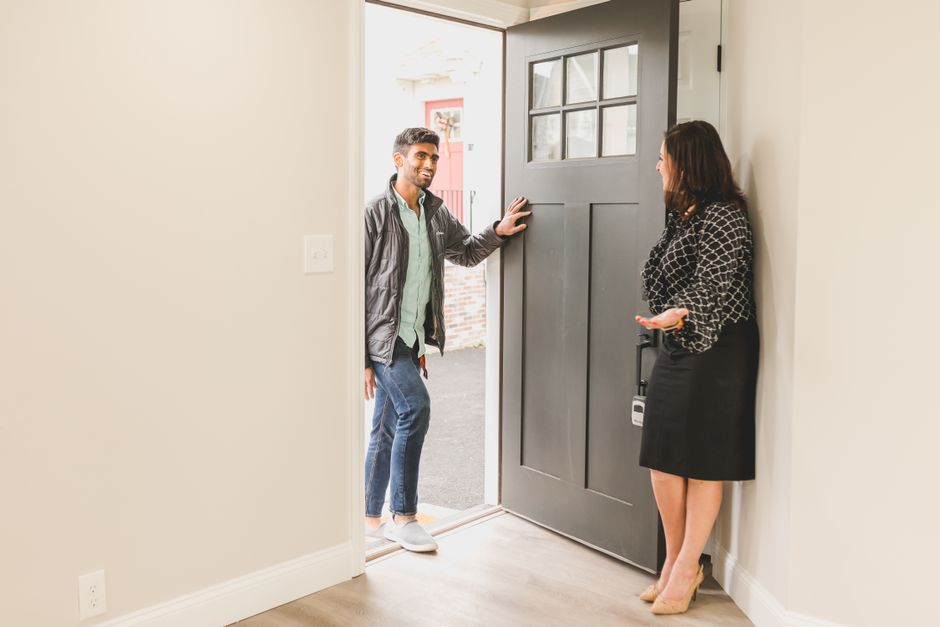
Visitors make their decision fast. Research shows guests often decide whether they'll return within just 7 minutes of arriving, and 80% make this call within the first ten minutes.
Seven minutes. That's less time than it takes to find a seat and settle in.
What's happening during those seven minutes from a visitor's perspective? They're scanning. Looking for safety cues. Checking if they belong here. Trying to figure out where to go, what to do, whether anyone will notice them or if they'll be left standing awkwardly in a corridor.
They're not thinking about your sermon series or your worship style yet. They're thinking: "Do I feel safe here? Can I navigate this space? Does anyone see me?"
Meanwhile, your welcome team is probably focused on service logistics. Handing out bulletins. Directing people to the auditorium. Greeting at the front doors. All necessary tasks, but they're not addressing what visitors are actually processing in those critical minutes.
The timing problem is this: you're solving for the service experience when visitors are still deciding if they'll even stay for the service.
Why 'Being Friendly' Isn't Actually Working

Here's the disconnect: 49% of unchurched people say 'warm, friendly people' is the number one factor for trying a church. Yet only 21% return.
Churches think they're being friendly. Visitors experience something different.
This isn't about your team being unfriendly. It's about the gap between generic friendliness and actual connection. Your volunteers are smiling, greeting, welcoming. But something's not translating.
The problem shows up in three specific ways.
A dozen greetings, zero names remembered
One visitor described attending a church of 1500 to 2000 people and being greeted by a dozen people, yet no one asked or shared names.
A dozen greetings. Zero names exchanged.
That's not connection. That's surface-level interaction that leaves visitors feeling like they passed through a friendly gauntlet but didn't actually meet anyone.
This isn't intentional rudeness. It's a training gap. Your team knows to be friendly. They haven't been taught that friendliness without name exchange doesn't create the belonging visitors are looking for.
The invisible barrier between services
Visitors don't always arrive at the perfect time. They show up between services. They linger after the service ends. And often, there's no one there to engage them.
This creates an invisible barrier. Visitors feel like they're interrupting. Like they've missed the window. Like they don't quite belong in this in-between space where regular attendees are chatting and volunteers have packed up.
The research is clear: ensuring volunteers are present after services to greet and invite guests back makes a measurable difference. But most churches only staff the front end of the service, not the back end.
When clear signage replaces human connection
Good signage matters. Clear directions help. But one visitor noted that despite clear signage and a well-organized service, the lack of personal connections affected their sense of belonging.
Signage solves navigation. It doesn't create relational warmth.
You can have the clearest wayfinding system in the world, but if no one walks with a visitor from the car park to the auditorium, if no one sits near them and introduces themselves, if no one invites them to morning tea, they'll leave feeling informed but not connected.
Signage is necessary. It's just not sufficient on its own.
The Six Touchpoints That Actually Build Connection
Here's what changes the equation: creating a minimum of six intentional touchpoints with every guest.
Not random interactions. Intentional touchpoints. Specific, planned moments of connection that span from the moment they arrive to the moment they return for a second visit.
These six touchpoints create a relationship arc. And the data backs this up: guests who receive follow-up within 24 hours are 85% likely to return.
Here's what those touchpoints actually look like in practice.
Touchpoint 1: The car park conversation
This happens during that critical 7-minute window, before they even enter the building.
A volunteer in the car park offers direction, walks with them toward the entrance, asks their name. Not hovering. Not intrusive. Just a natural, helpful presence that signals: "You're not navigating this alone."
This single touchpoint addresses the safety and belonging questions visitors are processing before they've even seen the auditorium.
Touchpoint 2: The name exchange (not just the greeting)
There's a difference between "Hi, welcome!" and "Hi, I'm Sarah. I don't think we've met before. What's your name?"
The first is a greeting. The second is a connection.
The greeter shares their name first. This models the exchange and makes it easier for visitors to reciprocate. Then, and this matters, the greeter writes down the visitor's name immediately after to remember for later touchpoints.
Names matter. They're the foundation of every other touchpoint that follows.
Touchpoint 3: The auditorium 'floater' check-in
The research suggests having volunteers or 'floaters' engaging with unfamiliar faces in the auditorium.
This looks like a volunteer sitting near visitors before the service starts, introducing themselves, offering to answer questions. Not interrupting worship. Not being disruptive. Just creating a relational anchor in the room before things begin.
This is where visitors stop feeling like they're watching from the outside.
Touchpoint 4: The post-service invitation
This is where you address the invisible barrier. Volunteers specifically positioned to engage after the service ends.
The invitation might be to morning tea, to meet the pastor, or simply to chat about their experience. The content matters less than the fact that someone is there, ready to connect, when the service wraps up.
This touchpoint often determines whether touchpoints five and six can happen, because it's where you naturally get contact details.
Touchpoint 5: The 24-hour follow-up
The stat is clear: guests who receive a follow-up within 24 hours are 85% likely to return.
This isn't a generic template email. It's a personal text or email referencing something specific from their visit. "Great to meet you yesterday, James. Hope your daughter enjoyed the kids' program."
The research emphasises using digital and social media platforms, but keeping it personal. Don't default to phone calls unless the visitor specifically requested it. Respect communication preferences.
Tools like Churchnotesapp can help your team track visitor details and follow-up tasks, ensuring nothing falls through the cracks during that critical 24-hour window.
Touchpoint 6: The week-two welcome back
This happens when they return the second time. Someone remembers their name. References their first visit. "James, good to see you back. How was your week?"
This closes the loop. It signals they've moved from 'visitor' to 'returning guest.' And this is where invitation to volunteer or participate in activities becomes appropriate.
Not on week one. Week two.
Training Your Team to Be Ambassadors, Not Greeters

The research recommends training church members to be 'ambassadors,' acting as friendly liaisons for new visitors.
This is a mindset shift. From completing a task (greeting) to building a relationship (ambassadorship).
This doesn't require extensive training programs. It's practical skill development focused on three areas.
The difference between a smile and a connection
Transactional greeting: smile, "welcome," move on.
Relational connection: name exchange, brief conversation, follow-through.
Train your volunteers to ask open questions. To remember details. And since 81% of visitors check the website first, ambassadors should know what's online and be able to reference it naturally in conversation.
Role-playing the awkward moments
Common scenarios: the visitor doesn't want to chat. The visitor asks a difficult question. The volunteer forgets their name.
Practising these scenarios in training builds confidence. It creates natural responses instead of panic or avoidance.
Don't provide scripts. Emphasise authentic, trained responses over memorised lines. Your team needs to sound like real people, not customer service representatives.
Tracking visitors without making it weird
The research is clear: having a clear system to identify and track new visitors personalizes their experience.
Practical methods include connection cards, digital check-in, or volunteer note-taking systems. Churchnotesapp offers digital tools that help your team capture and organize visitor information in a way that feels natural, not intrusive.
The key is using information to serve visitors, not surveil them. Track details so you can remember their name next week, not so you can monitor their attendance patterns.
And collect feedback. The research suggests collecting visitor feedback to continuously improve the welcoming process. Ask what worked. Ask what felt awkward. Adjust accordingly.
From Sunday Morning to Lasting Community
Remember that 7-minute window? The six touchpoints transform that brief moment into an ongoing relationship.
The goal isn't just second-time attendance. It's integration into church community. Moving from visitor to participant to member.
The 21% return rate isn't fixed. It improves dramatically when you implement intentional touchpoint systems. When you train ambassadors instead of greeters. When you focus on connection instead of just friendliness.
Start with one touchpoint. The car park conversation or the 24-hour follow-up. Get that right, then add another.
Your welcome team wants to do this well. Give them the framework, the training, and the tools to turn effort into impact. Ready to build a system that actually works? Churchnotesapp can help your team organize visitor connections and follow-up in a way that feels natural and sustainable. Get in touch to see how it works.


