

Equipping Volunteers to Teach Scripture With Confidence (Not Fear)
Picture this: Sarah's standing in front of eight restless kids, Bible story printed on a single sheet of paper, palms sweating. She knows the story of David and Goliath backwards. She's read it to her own children dozens of times. But right now, staring at those expectant faces, her mind's gone completely blank.
This happens more often than most church coordinators realise. The volunteer who seemed enthusiastic during recruitment suddenly cancels the night before. The reliable helper who's happy to set up chairs freezes when asked to lead a lesson. The problem isn't commitment or faith. It's fear.
Here's what matters: confidence doesn't come from being a natural teacher. It comes from having the right structure and support before you're standing in front of kids. Fear is normal. It's also solvable.
Why Volunteers Freeze When It's Time to Teach

The physical symptoms are real. Racing heart. Dry mouth. The overwhelming urge to text "I'm so sorry, I'm not feeling well" at 7am Sunday morning. Some volunteers describe their mind going completely blank the moment a child asks an unexpected question.
This connects directly to why volunteers disengage. Research shows that mismatched expectations are a key reason for youth volunteer disengagement. Volunteers sign up thinking they'll help out, maybe assist with craft activities or hand out snacks. Then they're handed a lesson plan and told they're teaching next week.
That gap between expectation and reality creates panic. Don't tell volunteers to just be confident or remind them that God will provide the words. Teaching a group of children is genuinely intimidating, especially if you've never done it before. The fear deserves validation, not dismissal.
The confidence gap isn't about knowledge
Most volunteers know the Bible stories well enough. They can tell you what happened to Jonah, explain the parable of the lost sheep, recite the Christmas narrative without notes. That's not where they get stuck.
Think of it this way: knowing how to cook a meal doesn't mean you can teach a cooking class without a lesson plan. You might make excellent lasagne at home, but standing in front of people explaining each step while managing questions and keeping everyone engaged? That's a different skill entirely.
Volunteers worry about classroom management. They worry about keeping kids engaged for 20 minutes. They worry about handling the theological questions they can't answer. The content itself? That's rarely the problem.
What volunteers actually worry about (and what they don't)
The specific fears are remarkably consistent. Kids getting bored and talking over them. A child asking "Why did God let bad things happen?" and not knowing how to respond. Losing control of the room when two kids start arguing. Awkward silences when they ask a question and nobody answers.
What they don't worry about: memorising every Bible verse. Being a theological expert. Having all the answers to complex doctrinal questions.
If you're coordinating volunteers, you've probably heard these exact concerns. The volunteer who says "I'm just not good with kids" usually means "I don't know how to get them to listen to me." The one who claims they don't know the Bible well enough often means "I don't know what to do if they ask something I can't answer."
Give Them a Script Before They Need Confidence
Structure removes the paralysis of "what do I say next?" When your mind goes blank in front of eight fidgeting children, you need anchor points. Not a word-for-word script that sounds robotic, but a clear roadmap that tells you where you're going.
This aligns with what volunteers actually want. Volunteers appreciate specific, clearly defined tasks. A script is exactly that. It's not about removing personality or spontaneity. It's about having something to fall back on when panic sets in.
Scripted doesn't mean lifeless. It means prepared.
The 3-part lesson template that removes decision paralysis
Every lesson needs three parts: Hook, Story, Response. That's it.
The Hook is your engaging opening. An activity or question that grabs attention and connects to the theme. The Story is the Bible narrative with two or three key points you want kids to remember. The Response is one application question or activity that helps them think about what it means for their lives.
This works for any age group and any Bible passage. Volunteers just fill in the blanks. Here's a quick example: Hook equals "Have you ever felt left out or ignored?" Story equals Zacchaeus climbing the tree and Jesus noticing him. Response equals "Who can you include or notice this week?"
The template removes decision fatigue. Volunteers don't need to invent a teaching structure from scratch. They just need to prepare content for three clear sections.
Sample phrases for the moments volunteers dread most
Give your volunteers exact phrases for the panic moments. Starting the lesson: "Let's gather round, everyone. I've got a question for you." Transitioning between activities: "Great answers. Now let's look at what happened next." Handling a difficult question: "That's a really good question. Let's talk about that after class, okay?"
When time runs out mid-lesson: "We'll pick this up next week, but here's the main thing to remember."
When kids are talking over you: "I need everyone's eyes on me, please. Let's bring our focus back to the story."
These aren't manipulative tricks. They're practical tools that prevent volunteers from freezing when something unexpected happens. Make them copy-and-paste ready. Put them on a laminated card if you need to. For more resources on supporting your volunteers, visit our Blog for practical ideas.
Let Them Watch Before They Lead

Volunteers need to see teaching in action before they can picture themselves doing it. Observation builds mental models. You can explain classroom management techniques all day, but watching someone use a countdown to get kids' attention is what makes it click.
The buddy system works, but only if it's structured. Research confirms that a buddy system for volunteers helps maintain engagement and support new participants. Most buddy systems fail because new volunteers sit passively in the back, unsure what they're supposed to learn.
Don't assume volunteers will know what to look for. They need guided observation with specific focus points.
The buddy system that actually works (and why most fail)
Here's why most buddy systems don't work: the new volunteer observes once, maybe twice, then gets thrown into teaching solo. No structure. No progression. No debrief.
A working system looks like this: Week one, new volunteer observes and takes notes. Week two, they co-teach one section while the buddy handles the rest. Week three, they lead the full lesson with the buddy there for support. Week four, they teach solo while the buddy observes and provides feedback.
The debrief after each session matters more than the observation itself. Observation without reflection doesn't build confidence. The buddy needs to ask: What did you notice? What surprised you? What would you do differently?
What to point out during observation sessions
Give buddies a specific checklist. How did the teacher get the kids' attention at the start? How did they handle interruptions or off-topic questions? How did they transition between the story and the activity? How did they manage time when things ran long?
Point out small, replicable techniques. The teacher used a countdown from five to get everyone quiet. They used a specific hand signal when noise levels got too high. They had a backup question ready when kids didn't respond to the first one.
Remind buddies to highlight what worked, not just what to avoid. Volunteers need positive models. They need to see that teaching can actually go well.
Create Safe Spaces to Fail Small
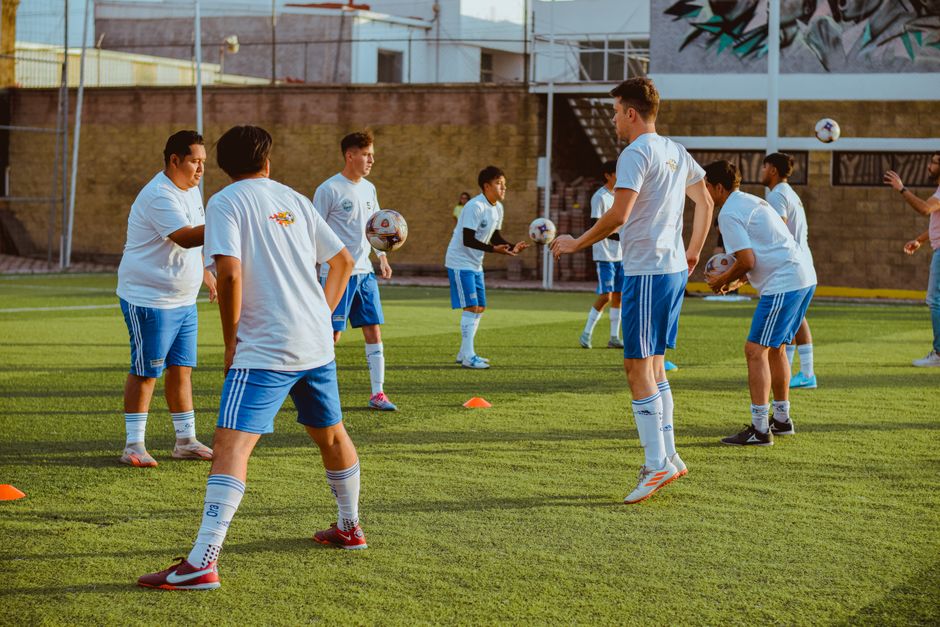
Confidence comes from repetition in low-stakes environments. Not from being thrown into the deep end and told to swim. Small failures in practice prevent big failures in front of kids.
When you create practice opportunities, you're demonstrating that you're invested in their success. This matters for retention. Clear communication and support maintain volunteer engagement. Practice sessions are both.
The 5-minute practice run that prevents first-day panic
Here's a simple format: the volunteer teaches just the opening hook or one story section to you or another volunteer. That's it. Five minutes maximum.
This dramatically reduces first-day anxiety because they've already said the words out loud. They've practiced the transitions. They've heard themselves teach, even if it was just to one person in an empty room.
Timing matters. Do this the week before they teach, not months in advance. Too far out and the practice loses its impact. Too close and they don't have time to adjust.
How to give feedback that builds courage, not doubt
Use the Highlight plus Tweak method. Start with one specific thing they did well. Then offer one small adjustment for next time. That's it.
Example: "Your opening question really grabbed attention. Next time, pause a bit longer after you ask it so kids have time to think." Not: "Your opening was good, but you talked too fast, and you didn't make eye contact, and you forgot to explain the context, and..."
Avoid the feedback sandwich. Volunteers see through it. Positive comment, criticism, positive comment. It feels formulaic because it is. Be genuine. Be specific. Focus on one thing they can actually improve before next week.
From Prepared to Confident
Remember Sarah, standing in front of those eight kids with her mind gone blank? She didn't need to feel confident before she started teaching. She needed preparation. She needed to watch someone else teach first. She needed to practice her opening line out loud before Sunday morning.
Confidence is the outcome of these steps, not the prerequisite. It comes after volunteers have taught successfully a few times. After they've handled an unexpected question and survived. After they've seen kids actually engage with the lesson they prepared.
If you're coordinating volunteers, investing time in these structures now creates confident, long-term volunteers who'll eventually recruit others. The volunteer who feels supported and prepared doesn't just stay. They tell their friends. They become your best advocates.
Fear is normal. Structure is the solution. Confidence follows.


