

Why Your Volunteer Teams Keep Missing the Vision (And How to Fix It)
Your volunteers show up. They execute their roles. The sound desk runs smoothly, the welcome team greets with genuine warmth, and the kids' ministry operates without chaos. But something's missing.
They're completing tasks, not connecting to purpose. They know what to do. They don't know why it matters.
This isn't a volunteer commitment problem. It's a systems problem. And it's fixable.
The Sunday Morning Reality Check
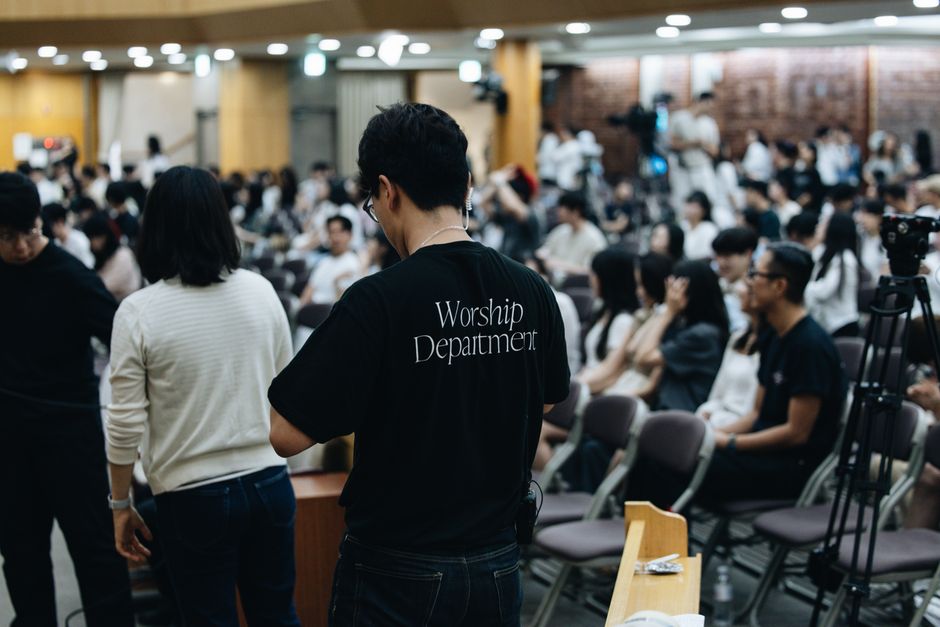
Picture this: you're standing at the back of the auditorium fifteen minutes before the service starts. Your worship coordinator is watching the team move through their pre-service routine with practised efficiency.
The lighting volunteer adjusts the stage wash. The sound engineer runs a quick line check. The hospitality team arranges morning tea with precision. Everything works.
But there's no spark. No sense that anyone in that room understands they're part of something that changes lives.
You see transformed families. Marriages restored. Teenagers finding identity in Christ. Your volunteers see checklists.
The gap isn't their fault. You've cast vision in team meetings. You've shared testimonies. You've explained the mission. But vision statements delivered in monthly gatherings don't translate into Monday-to-Saturday understanding when the volunteer's actual serving experience is dominated by logistics, equipment troubleshooting, and last-minute roster changes.
They're capable. They're committed. They're just not connected.
You're Communicating Vision, But They're Hearing Tasks
Here's what's actually happening: you're speaking one language, and they're hearing another.
You talk about spiritual impact. They hear "make sure the microphones work." You describe life transformation. They hear "arrive fifteen minutes early." You cast vision for reaching the community. They hear "we need three more volunteers for next month."
Research shows that lack of clarity frustrates volunteers while clear vision helps retain them. But clarity isn't just about explaining the vision once. It's about embedding that vision into every system your volunteers interact with.
Vision needs to live in the structure of how you lead, not just in what you say during announcements.
The vision lives in your head, not in their week
You carry context they don't have access to. You're thinking about ministry forty hours a week. You're in leadership meetings where you discuss strategy, hear pastoral stories, and connect individual ministry areas to the broader mission.
Your volunteers engage for two to four hours weekly. They arrive, serve, and leave. Between services, they're managing their jobs, families, and personal lives. The vision you cast on Sunday morning competes with a hundred other priorities by Tuesday afternoon.
One-time vision casts don't stick because there's no reinforcement mechanism in the volunteer's actual rhythm of service.
Your onboarding teaches the 'what', not the 'why'
Most volunteer onboarding focuses on mechanics. Where to stand. What buttons to press. Who to contact if something goes wrong. When to arrive. What to wear.
All necessary. None of it connects to purpose.
Effective onboarding should understand the volunteer's story, passion, and fit with the ministry. It should show them how their specific role creates spiritual impact, not just how to complete their assigned tasks.
A sound engineer doesn't just "run the desk." They create an environment where people can engage with worship without distraction. A kids' ministry volunteer doesn't just "supervise children." They provide a safe space where young hearts encounter Jesus.
When onboarding skips the why, volunteers learn their role but miss their purpose.
They're drowning in logistics while you're dreaming in purpose
Your volunteers are dealing with immediate practical concerns. Equipment that doesn't work. Schedule changes sent via three different communication channels. Unclear instructions about who's responsible for what. Last-minute roster gaps.
When logistical chaos dominates their experience, they can't lift their eyes to see the bigger vision. They're in survival mode, not mission mode.
You assume they can hold both logistics and vision simultaneously. But your systems don't support that assumption. Without structure that handles the practical details smoothly, volunteers have no mental space left for purpose.
Three Systems That Make Vision Stick

The solution isn't more vision talks. It's better systems.
These three structures work together to embed vision into your volunteer's actual serving experience. They're not one-off efforts. They're repeatable rhythms that worship coordinators can implement immediately.
Pre-service huddles that connect dots, not just assign positions
Most pre-service huddles cover logistics. Who's doing what. Where to stand. What's changed since last week.
Vision-connected huddles start differently.
Begin with one story of impact before diving into logistics. It doesn't need to be elaborate. A thirty-second testimony from someone whose life was changed. A quick update about a family that started attending because of your welcome team's warmth. A note from a parent whose child encountered Jesus in kids' ministry.
Then connect the dots: "Today we're setting up the auditorium so that families can arrive without stress, which helps them engage with worship, which creates space for the Holy Spirit to work."
The framework is simple: Today we're [task], so that [immediate outcome], which helps [person or family] experience [spiritual impact].
Weekly volunteer huddles help cast vision and provide training when they're structured intentionally. The difference between a logistics-only huddle and a vision-connected huddle is two minutes. But those two minutes change how volunteers see their service.
A span of care structure that reinforces purpose, not just checks attendance
Span of care means one leader for every five to seven volunteers, with monthly personal connection.
This isn't attendance tracking. It's relationship-based vision reinforcement.
Care leaders check in with their small group of volunteers regularly. Not just to confirm they're rostered on. To share impact stories. To connect individual contributions to outcomes. To ask how they're finding their role and whether they're seeing the purpose behind their service.
A span of care system provides consistent volunteer check-ins and support that keeps vision alive between services. When volunteers hear from their care leader mid-month with a story about how last Sunday's service impacted someone, the vision stays present in their week.
This is where tools like Churchnotesapp become valuable. When volunteers can digitally capture and reflect on the spiritual insights they're helping create, they see their service connected to real spiritual growth. It reinforces the why behind their what.
Monthly vision touchpoints that show impact, not just announce needs
Most volunteer communication announces needs. "We're short three volunteers next month." "Please confirm your availability." "Roster changes attached."
Impact-focused communication tells a different story.
Once a month, send something that shows volunteers the outcomes of their service. A specific story of a changed life. The volunteer contributions that made it possible. The connection to your church's mission.
Consistent communication is crucial for volunteers, but consistency without substance breeds disengagement. Make at least one touchpoint per month about impact, not logistics.
Formats matter less than content. A short video testimony works. So does a written story with photos. Or a brief team gathering that celebrates outcomes rather than announces problems.
The key is showing volunteers that their service produces real spiritual fruit, not just asking them to serve more.
When Your Team Finally Sees What You See

When volunteers connect their service to vision, everything shifts.
They take ownership. They solve problems proactively instead of waiting for instructions. They recruit others because they're genuinely excited about what they're part of. They stay longer because they're not just completing tasks—they're contributing to something that matters.
Sincere encouragement builds volunteer commitment, especially when that encouragement is tied to vision-aligned recognition. When you thank a volunteer not just for showing up but for the specific impact their service created, you reinforce the connection between their role and the mission.
Picture that Sunday morning scene again. Same volunteers. Same tasks. But now the lighting volunteer understands they're creating an environment where people can encounter God without distraction. The sound engineer knows they're removing barriers to worship. The hospitality team sees themselves building community, not just serving coffee.
Same roles. Different understanding.
This doesn't happen overnight. It's a gradual shift that compounds over time as you consistently embed vision into your systems.
Start with one system this month. Pick the easiest one to implement in your context. Maybe it's restructuring your pre-service huddles to include a thirty-second impact story. Maybe it's establishing a span of care structure with your existing team leaders. Maybe it's committing to one monthly communication that focuses purely on impact.
Churchnotesapp can help your volunteers capture and reflect on the spiritual insights they're helping create, making the connection between service and impact more tangible. When volunteers see their role contributing to real spiritual growth, vision stops being something you cast and becomes something they carry.
Your volunteers aren't missing the vision because they don't care. They're missing it because your systems aren't designed to help them see it. Fix the systems, and the vision will stick.


